
Leading Fascia Board Repair Tools And Materials For Home Improvement
Learn about essential products that make fascia repairs straightforward, helping you maintain your home's exterior integrity.
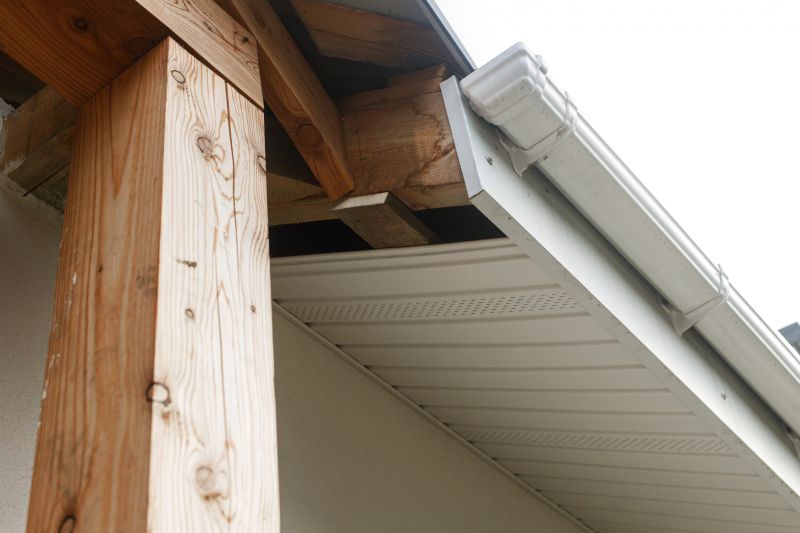 Fascia board repairs are a common aspect of maintaining the structural integrity and aesthetic appeal of a building's exterior. Over time, fascia boards can become damaged due to weather exposure, rot, or pests, necessitating effective repair solutions. Selecting the right products for fascia board repairs is essential to ensure durable and long-lasting results. These products vary widely, from basic patching materials to specialized sealants and replacement boards, offering options suited for different degrees of damage and restoration needs.
Top Overall Option
Exterior Wood Filler and Sealant Kit
A versatile exterior wood filler combined with a weather-resistant sealant offers a comprehensive solution for fascia board repairs. This type of product allows for filling cracks, holes, and rot-affected areas while providing a protective barrier against moisture and UV damage. Its ease of application makes it suitable for both DIY enthusiasts and professionals seeking reliable results. When selecting such a kit, look for one that offers durable adhesion, flexibility, and weather resistance to ensure long-term performance.
Types of Products For Fascia Board Repairs
Wood Filler
Used to fill cracks, holes, and minor rot in fascia boards, providing a smooth surface for painting or finishing.
Sealant Caulk
Flexible sealants designed to seal gaps and prevent water infiltration, often used around joints and edges.
Exterior Paint and Primer
Specialized paints formulated for outdoor wood surfaces that offer protection against weathering and enhance appearance.
Replacement Fascia Boards
Pre-cut or custom-cut boards made from wood, PVC, or composite materials for replacing damaged sections.
Waterproofing Sealants
Products designed to provide an additional layer of moisture resistance on repaired or new fascia boards.
Adhesives and Epoxies
Heavy-duty adhesives and epoxies used to bond and reinforce fascia components, especially in structural repairs.
Primer for Exterior Wood
Primers that prepare surfaces for painting, ensuring better adhesion and durability of topcoat paints.
Rot-Resistant Boards
Materials specifically designed to resist decay and rot, suitable for high-moisture environments.
Metal Flashing and Edge Trim
Metal components used to protect the edges of fascia boards and prevent water ingress.
Fasteners and Nails
Corrosion-resistant nails, screws, and fasteners for secure attachment of fascia components.
Siding and Trim Repair Patches
Pre-made patches for quick repair of damaged fascia siding and trim sections.
Protective Coatings
Coatings that add an extra layer of protection against UV rays, moisture, and temperature fluctuations.
Popular Choices
Widely used for filling cracks and holes in fascia boards, suitable for various wood types.
Commonly chosen for sealing gaps and preventing water intrusion around fascia boards.
Popular for prepping fascia surfaces before painting, enhancing adhesion and durability.
A low-maintenance alternative to wood, often used for replacement due to its durability.
Chosen for its protective qualities and color retention on fascia surfaces.
Popular for their resistance to decay and ease of installation in fascia repairs.
Often used for bonding fascia components securely in structural repairs.
Preferred for attaching fascia boards to withstand outdoor conditions.
Commonly used for finishing and protecting the edges of fascia boards.
Popular for adding an extra layer of moisture protection on repaired fascia surfaces.
Convenient for quick fixes of small fascia damages, often containing multiple repair components.
When undertaking fascia repairs, it is important to assess the extent of the damage first. Minor issues such as small cracks or peeling paint can often be addressed with sealants and touch-up paints. For more significant damage, such as rotted sections or warped boards, replacement materials and structural adhesives may be required. Proper preparation, including cleaning and removing loose or decayed material, is crucial for optimal adhesion and performance of repair products.
In addition to repair materials, tools such as putty knives, brushes, and safety gear are essential to facilitate a smooth repair process. Choosing products that are compatible with existing materials and suitable for outdoor use can help ensure the longevity of the repair. It is also beneficial to consider products that offer resistance to moisture and UV rays, as fascia boards are constantly exposed to the elements.
Overall, investing in quality repair products can help maintain the integrity of your building’s exterior, prevent further damage, and improve curb appeal. Whether dealing with minor issues or major repairs, understanding the variety of available products allows for more informed decisions and better outcomes in fascia board maintenance.
Key Buying Considerations
- Material compatibility with existing fascia boards to ensure proper adhesion and performance.
- Weather resistance features such as UV stability, moisture resistance, and durability for outdoor applications.
- Ease of application, especially for DIY projects, including drying time and tool requirements.
- The extent of damage or decay to determine whether repair products or replacement materials are appropriate.
- Compatibility with paint or stain if finishing or refinishing is part of the repair process.
- Longevity and expected lifespan of the repair products to minimize frequent maintenance.
- Environmental conditions like high humidity or temperature fluctuations that may influence product choice.
- Ease of cleaning and surface preparation to ensure effective application and adhesion.
- Availability of color-matching options for seamless aesthetic integration.
- Cost considerations balanced with quality and durability for long-term value.
- Safety features such as non-toxic formulations and proper ventilation during application.
- Compatibility with other repair components like sealants, primers, and fasteners.
- Manufacturer reputation and product reviews to gauge reliability and performance.
- Warranty or satisfaction guarantees offered by the product supplier.
- Environmental resistance, including resistance to pests or mold if relevant.